A boy at the back of the lunch line notices a classmate staring at an empty spot at the table. He scoots his tray over and says, “You can sit here.” Nobody claps. No one takes a photo. But for the child who was about to eat alone, the day just got better.
That is how small acts of kindness for kids usually look. They are quiet and quick, and they often go unnoticed by everyone except the person on the receiving end. They also do not require money, special occasions, or big plans. This guide covers what kindness looks like for children, why it matters, and practical ways families and teachers can encourage it.
What Are Small Acts of Kindness?
A small act of kindness is any simple action that shows care for another person, an animal, or the world around us. For a child, that might mean holding a door, offering a hug to a sad friend, or saying “thank you” and meaning it.
What makes these actions powerful is that children can do them right now, exactly as they are. A five-year-old cannot organize a food drive, but she can share her crayons. A nine-year-old may not be able to solve a classmate’s problems, but he can sit beside him at recess. Kindness grows from small, repeated choices, and those choices are well within a child’s reach.
Why Small Acts of Kindness Matter for Kids
The importance of kindness for children is easy to see in daily life, even without big claims or statistics. When children practice kind actions, a few helpful things tend to happen over time.
They begin to notice other people. A child who has learned to ask “Is she okay?” is building empathy, which is simply the habit of imagining how someone else feels. They also learn that their actions have an effect. Handing a friend a tissue or finishing a chore without being asked shows a child that they can make things better for the people around them.
Kindness also supports friendships. Children who include others, listen, and say thank you are usually pleasant to be around, and that makes it easier to build trust. And there is a quieter benefit: many children feel proud and capable after helping someone. That feeling comes from contributing, not from being praised.
None of this happens overnight, and no single act will transform a child’s character. But steady practice makes kindness feel natural rather than forced.
10 Simple Acts of Kindness Kids Can Practice Every Day
These examples of kindness for kids work at home, at school, and out in the community. Adjust them for your child’s age and comfort level.
1. Share with Someone Who Needs It
Sharing is more than splitting a snack. It means noticing who might need something, such as a pencil, a turn on the swing, or a spot on the bench, and offering it. Young children can start with toys and treats. Older kids can learn to notice needs that aren’t spoken out loud.
2. Help with Small Household Tasks
Setting the table, feeding the dog, or carrying in groceries tells children that a home runs on shared effort. When kids help without being the center of attention, they learn that caring for family is part of belonging to it.
3. Include Someone in the Game
Many children remember being left out far longer than they remember almost anything else. Inviting a quiet classmate into a game, or making room in a group, can change a child’s whole afternoon. Remind your child that they do not need to be best friends with someone to be welcoming.
4. Say Thank You and Mean It
A sincere thank-you has details. “Thank you for helping me find my shoe” lands differently than a rushed “thanks.” Encourage children to look at the person and say what they appreciated.
5. Help a Classmate
This might be explaining a math problem, sharing notes after an absence, or walking a new student to the cafeteria. Helping works best when it respects the other child. The goal is to support, not to show off.
6. Donate Toys or Books in Good Condition
Going through shelves together can be a lovely family activity. Let children choose items they have outgrown, and talk about who might enjoy them next. Make sure the items are clean and usable, since the point is to give something worth receiving.
7. Care for Animals Responsibly
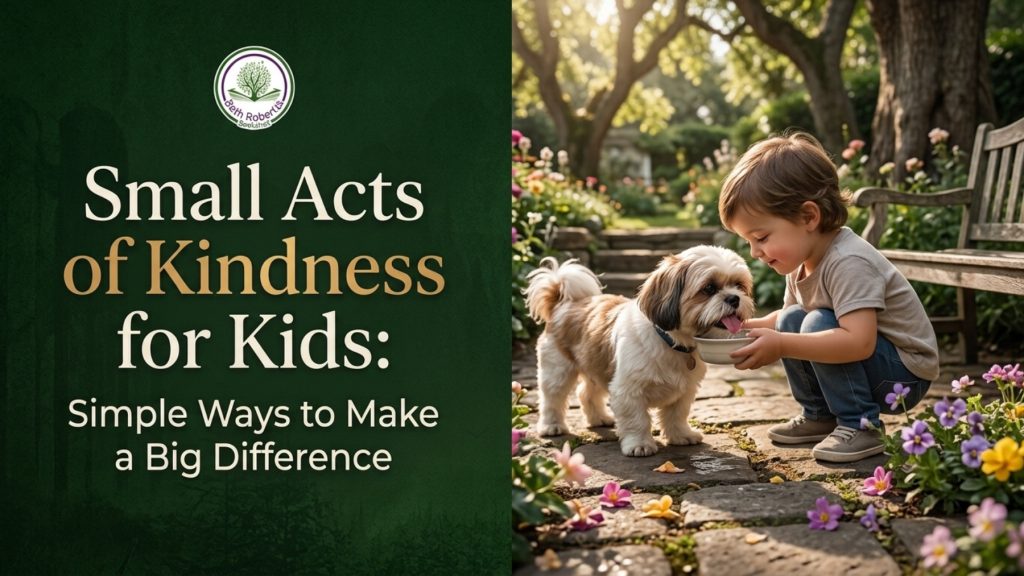
Refilling a water bowl, brushing a pet, or putting out a shallow dish of water for birds during hot weather teaches gentleness and responsibility. Always supervise young children around animals.
8. Write a Thoughtful Note
A short note slipped into a lunchbox, left on a teacher’s desk, or mailed to a grandparent can mean a great deal. Children who are not yet writing can draw a picture and dictate a sentence.
9. Listen When Someone Needs Attention
Listening is one of the most underrated kinds of kindness. Teach children to pause what they are doing, look at the speaker, and let them finish. Sometimes a friend does not need advice. They just need someone who will hear them out.
10. Show Respect and Appreciation
Greeting the bus driver, thanking the cafeteria staff, and speaking politely to people who look or live differently are all small acts that tell others they matter. Respect shows up in tone of voice, not just in words.
How Parents Can Teach Kindness at Home
If you are teaching kindness to kids, the most reliable tool you have is your own behavior. Children watch how you speak to the cashier, how you react to a rude driver, and whether you help a neighbor. Children learn much more from your actions than from your words.
A few habits can help:
Talk about real moments. After a school day or a trip to the park, ask, “Did you see anyone who needed help today?” or “How do you think that girl felt when the other kids walked away?” These conversations work best when they feel curious rather than like a quiz.
Praise the effort, not just the outcome. Instead of “You’re so good,” try “I noticed you waited for your little brother. That was thoughtful.” Specific comments help children understand what kindness looks like, and they discourage kids from being kind only to earn a reward.
Let them choose. Children are more invested when they have a say. Ask, “Who could we cheer up this week?” and follow their idea, even if it is simple.
Allow for mistakes. Children will sometimes be selfish, grumpy, or unkind. Treat these moments as chances to talk and repair things rather than as failures. A sincere apology and a way to make amends teach more than a lecture.
How Children’s Books Can Help Teach Kindness
Stories give children a safe way to practice empathy. When a child follows a character through a hard moment, they get to feel what that character feels without being the one who is hurt. Afterward, a parent can ask, “What would you have done?” That question opens up conversations about choices and how they affect others.
Picture books are especially useful because they are short enough to read in one sitting and reread many times. Repetition gives children time to notice details they missed before.
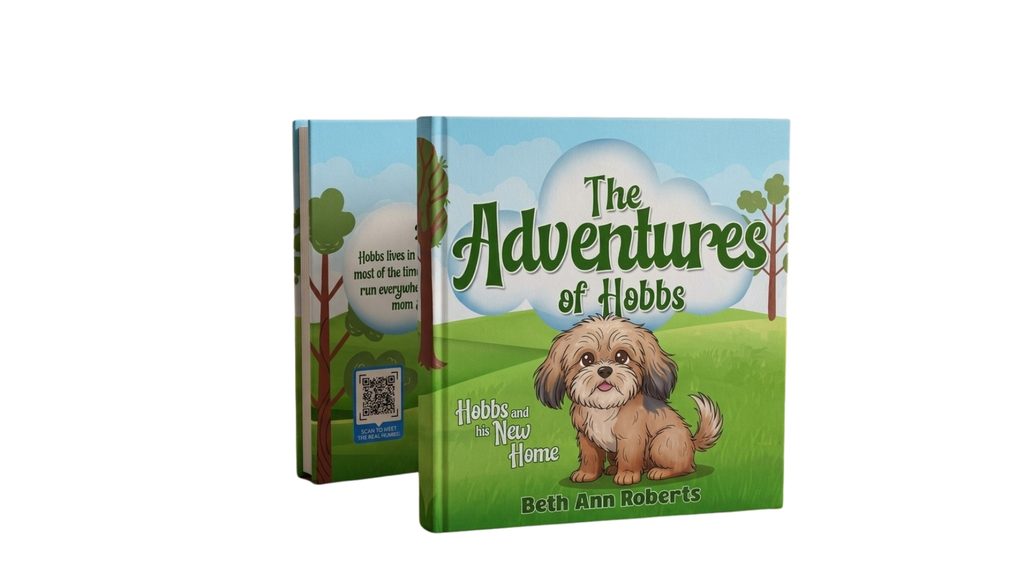
Beth Roberts’s children’s book The Adventures of Hobbs: Hobbs and His New Home offers another way to start conversations about kindness and compassion. The story follows Hobbs, a dog who spends much of his time chained in a kitchen before finding a new home with a loving Mom and Dad. In his new home, he finally has the freedom to run, play, and enjoy life as part of a family. His journey can help parents talk with children about caring for animals, showing compassion, and making sure every pet feels safe and loved. You can also explore the book on Amazon.
Making Kindness a Part of Everyday Life
The best kindness habits are small enough to survive a busy week. You might try a family “thank-you moment” at dinner, where everyone names one thing someone did for them. Or keep a basket of old books and toys by the door so donations are always ready. Some families choose one simple weekly act, such as baking for a neighbor or writing a card.
It helps to keep things low pressure. Kindness should never become a contest, a chore chart, or a way to compare siblings. The point is not to collect points but to build a way of seeing others. If a child is tired or upset, let it go for the day. Kindness grows best in homes where children feel cared for themselves.
Conclusion
Small acts of kindness for kids do not need an audience. A shared seat at lunch, a note in a backpack, a patient moment of listening: each one tells another person, “You matter.” Children who practice these gestures learn that they can make everyday life a little warmer, one choice at a time. If you are looking for more stories to share with your family, you can browse the children’s books at Beth Roberts Bookshelf.
Frequently Asked Questions
Sharing toys, helping with chores, including someone in a game, saying a sincere thank-you, writing a note, and listening to a friend are all easy places to start. Each one takes only a few minutes and no special supplies.
Children can begin early. Toddlers can learn gentle touches and simple sharing, while preschoolers can help with small tasks and comfort others. Kindness activities for kids can grow with them as their understanding deepens.
Model kind behavior, talk about everyday situations, and praise specific efforts. Give children chances to choose how to help, and respond calmly when they make mistakes.
They help children notice other people’s feelings, build friendships, and see that their actions matter. Over time, these habits support empathy and a sense of responsibility.
Stories let children see characters face hard choices and feel what those characters feel. Reading together gives families a chance to pause and ask questions about fairness, friendship, and how to treat others.